

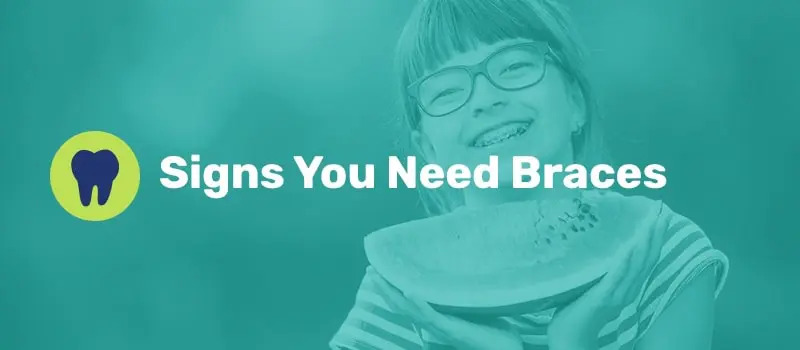
A straight, well-aligned smile does more than enhance your appearance — it also supports better oral health and overall confidence. But how do you know if you actually need braces or orthodontic treatment?
Crooked, crowded or misaligned teeth can affect how you chew, speak and even clean your teeth properly. Over time, these issues can lead to jaw pain, tooth wear and gum disease. Whether you’re a teenager or an adult, recognising the signs you might need braces is the first step towards a healthier smile.
What Is Orthodontic Treatment?
Orthodontic treatment involves the diagnosis, prevention and correction of teeth and jaw alignment problems. The most common method is braces, which use gentle, consistent pressure to move teeth into the correct position over time.
Modern options now include:
- Traditional metal braces – durable and effective for complex cases
- Ceramic braces – tooth-coloured brackets for a discreet look
- Lingual braces – attached behind the teeth for invisibility
- Clear aligners– removable trays for comfort and aesthetics
Common Signs You Might Need Braces
If you experience one or more of the following issues, it may be time to visit an orthodontist for evaluation.
1. Crooked or Crowded Teeth
When teeth overlap or twist due to lack of space, it can make brushing and flossing difficult, leading to plaque buildup and cavities.
2. Overbite or “Buck Teeth”
If your upper front teeth extend far beyond your lower teeth, you may have an overbite. This can cause speech problems and increase the risk of tooth injury.
3. Underbite
In this condition, the lower teeth extend in front of the upper teeth, affecting chewing and facial balance.
4. Crossbite
A crossbite occurs when some upper teeth sit inside the lower teeth. Over time, it can cause uneven tooth wear and gum recession.
5. Open Bite
If your upper and lower teeth don’t touch when your mouth is closed, it may affect your speech and chewing function.
6. Gaps Between Teeth (Diastema)
Spaces between teeth can trap food and affect smile aesthetics. Braces or aligners can help close these gaps for a more even smile.
7. Jaw Pain or Clicking
Jaw discomfort, especially when chewing, may indicate misalignment or bite imbalance. Orthodontic treatment can help correct the issue and prevent TMJ strain.
8. Mouth Breathing or Difficulty Biting and Chewing
These can be signs of improper jaw alignment or developmental issues in children that may benefit from early orthodontic care.
9. Speech Difficulties
Lisping or pronunciation challenges can sometimes result from misaligned teeth. Straightening your teeth can improve clarity and confidence.
10. Visible Shifting Teeth in Adults
Teeth can shift with age, gum disease or tooth loss. Adult braces or aligners can correct this and prevent further movement.
Benefits of Getting Braces or Aligners
- Improved appearance and confidence
- Easier cleaning and reduced risk of decay
- Balanced bite and reduced jaw pain
- Better speech and chewing function
- Long-term oral health stability
Orthodontic treatment is not just about aesthetics — it’s about creating harmony between your teeth, gums and jaw.
When Should You Visit an Orthodontist?
The research recommends that children have their first orthodontic evaluation by age 7. However, it’s never too late — adults can also benefit from braces or clear aligners.
You should schedule an appointment if you notice:
- Teeth crowding or shifting
- Difficulty flossing or cleaning between teeth
- Discomfort while chewing
- Gaps or bite irregularities
Your orthodontist will assess your teeth, jaws and bite using X-rays or digital scans to recommend the most suitable treatment plan.
How Long Does Orthodontic Treatment Take?
The duration varies depending on your condition and treatment type:
- Mild cases (aligners): 6–12 months
- Moderate to complex cases (braces): 18–30 months
Regular check-ups are important to monitor progress and ensure your teeth move safely into place.
Caring for Your Smile During Treatment
To get the best results from your orthodontic journey:
- Brush and floss carefully around brackets and wires
- Avoid sticky or hard foods that may damage braces
- Visit your dentist regularly for cleaning and maintenance
- Wear retainers after treatment to keep your teeth in position
Do Adults Need Braces Too?
Absolutely. Many adults today choose braces or clear aligners to correct long-standing bite or alignment issues. Adult orthodontic treatment not only improves appearance but also prevents future dental wear, jaw strain and gum problems.
How Dental Clinic Thomson Can Help
At Dental Clinic Thomson, we provide orthodontic consultations and braces treatments to help correct misaligned teeth and bites. Whether you’re a teen needing early orthodontic care or an adult exploring clear aligners, our team assesses your needs and recommends the most suitable solution. We focus on achieving healthy alignment, comfort and lasting results through careful planning and gentle care.
📅 Book an appointment today and find out if braces are the right step for your smile.
📍 Visit Us: Dental Clinic Thomson
📞 Call Now: +65 66904691